When Life Gives You a 1-Star Review, Put It on a T-Shirt: The Power of Humor in Modern Marketing
Posted: August 19th, 2026
Key Takeaways
-
Embrace Authenticity Over Perfection: Modern consumers are tired of robotic, polished corporate responses and actively crave humor and human connection.
-
Reframing Creates Revenue: Converting unfair criticism into a creative brand asset can turn passive observers into active brand advocates and paying customers.
-
Don't Sacrificing Product Quality: Stunts only work long-term if the underlying offer or merchandise lives up to real customer standards.
The New Bedford Whaling Museum recently received a blunt 1-star Google review calling them the "worst aquarium ever."
There’s just one small problem: They aren't an aquarium.
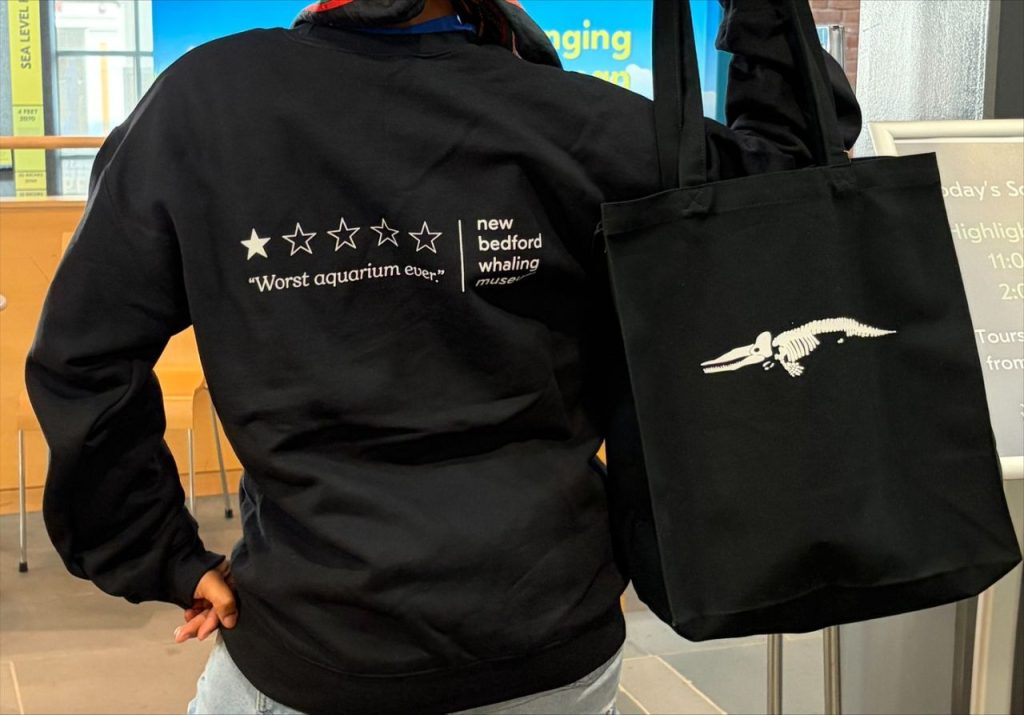
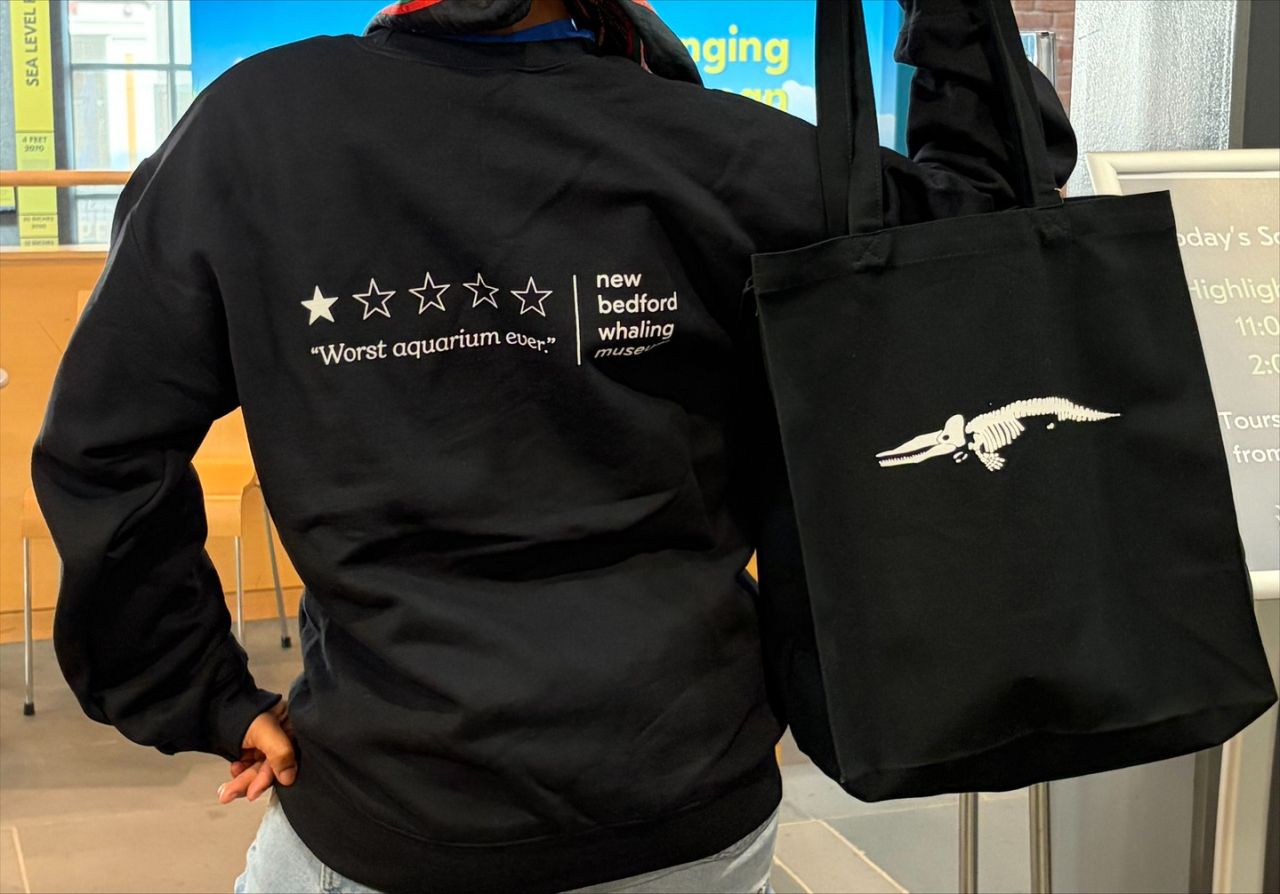
Instead of issuing a stiff corporate correction or filing a review removal request, the museum did something far better: they took that exact 1-star review, slapped it onto a new line of merch, and started selling t-shirts.
The results speak for themselves. The merchandise sold out multiple times, shipped to buyers across 49 states, and turned a bogus online review into a massive viral PR win.
When I shared this campaign on LinkedIn, it tapped into a sentiment that resonated across marketing managers, creatives, and executives alike: consumers are utterly exhausted by perfectly polished, overly safe corporate responses. They crave authenticity, levity, and a genuine sense of humor.
Why "Safe" Marketing Is Becoming a Risk
On one side of the debate, commentators like creative strategist Paul Suggett pointed out what many industry insiders suspect: "It’s a gimmick three years in the making... This was done to win Cannes."
Therein lies the core critique of modern marketing activations. When creative agencies optimize for industry awards rather than actual consumer utility or business operations, they risk manufacturing problems nobody actually has.
When brands get too safe, three things happen:
-
They Become Invisible: In an online ecosystem flooded with sanitized PR speak, defensive or neutral messaging gets scrolled right past.
-
They Miss Emotional Connection: Audiences don't form emotional bonds with flawless corporate facades; they connect with self-awareness and wit.
-
They Waste Free Attention: A negative review brings eyes to your brand. Wasting that moment on a boiler-plate response is a lost marketing opportunity.
Whether it’s Johnny Cupcakes turning a misplaced bakery review into custom shirts, the US National Park Service highlighting humorous 1-star reviews on posters, or Liquid Death turning internet hate comments into viral video campaigns, the brands winning today are the ones willing to laugh at themselves.
The 3-Step Framework: Turning Lemons into Marketing Assets
How can your business evaluate and flip negative feedback into a brand-building win without looking defensive?
1. Identify the Absurdity
The Whaling Museum campaign worked because calling a historic museum a "bad aquarium" is inherently funny. When criticism stems from a misplaced expectation or a ridiculous premise, pointing it out with a smile instantly puts the audience on your side.
2. Match Humor with Real Quality
In the comments on my post, fractional CMO Dave Poulos pointed out an important detail about his own shirt purchase: "It feels soft, great fit, high quality."
If the museum had printed a cheap, throwaway shirt, the joke would have fallen flat. Executing a funny idea on a high-quality product proves you take your business seriously, even if you don't take internet comments seriously.
3. Double Down on the Momentum
When a campaign hits, ride the wave. Following up the original shirt line, the museum added a small aquarium element and paired it with signage reading "Well, this is awkward." Continuing the joke keeps the momentum alive and rewards your audience for paying attention.
Bottom Line: Perfect Is Boring. Memorable Is Profitable.
Businesses rarely forget bogus 1-star reviews. But letting negative noise drag down your brand strategy is a choice.
Marketing isn't about maintaining a spotless, risk-free image; it's about being memorable. When you stop hiding behind sanitized corporate filters and lean into authentic humor, you give customers a reason to care, engage, and buy.
Next time your business receives a 1-star mistake, don't panic. Ask yourself: Can we put this on a t-shirt?