Gimmick or Genius? What Kraft Heinz’s “Love Lid” Teaches Us About Modern Brand Strategy
Posted: August 12th, 2026
Key Takeaways
-
Distinguish Buzz from Strategy: Loud marketing gimmicks create temporary PR noise, but true strategy solves actual buyer friction.
-
Defend Brand Equity: In commodity markets, bold brand activations buy mental availability and protect market share against private-label rivals.
-
Focus on Conversion Over Attention: Evaluate every campaign by its long-term impact on revenue and pipeline, not just 48 hours of social impressions.
Has the marketing industry officially run out of real problems to solve?
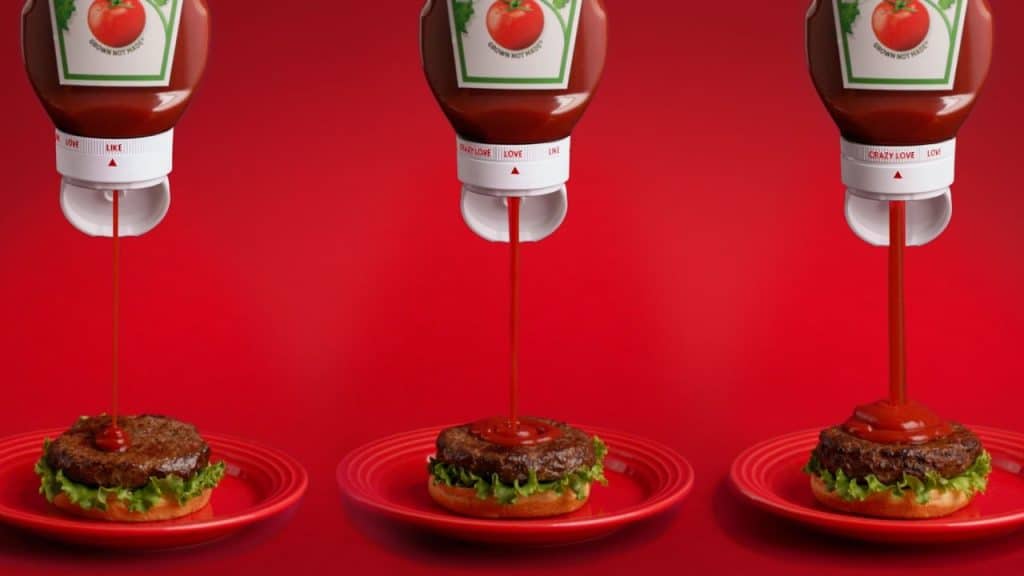
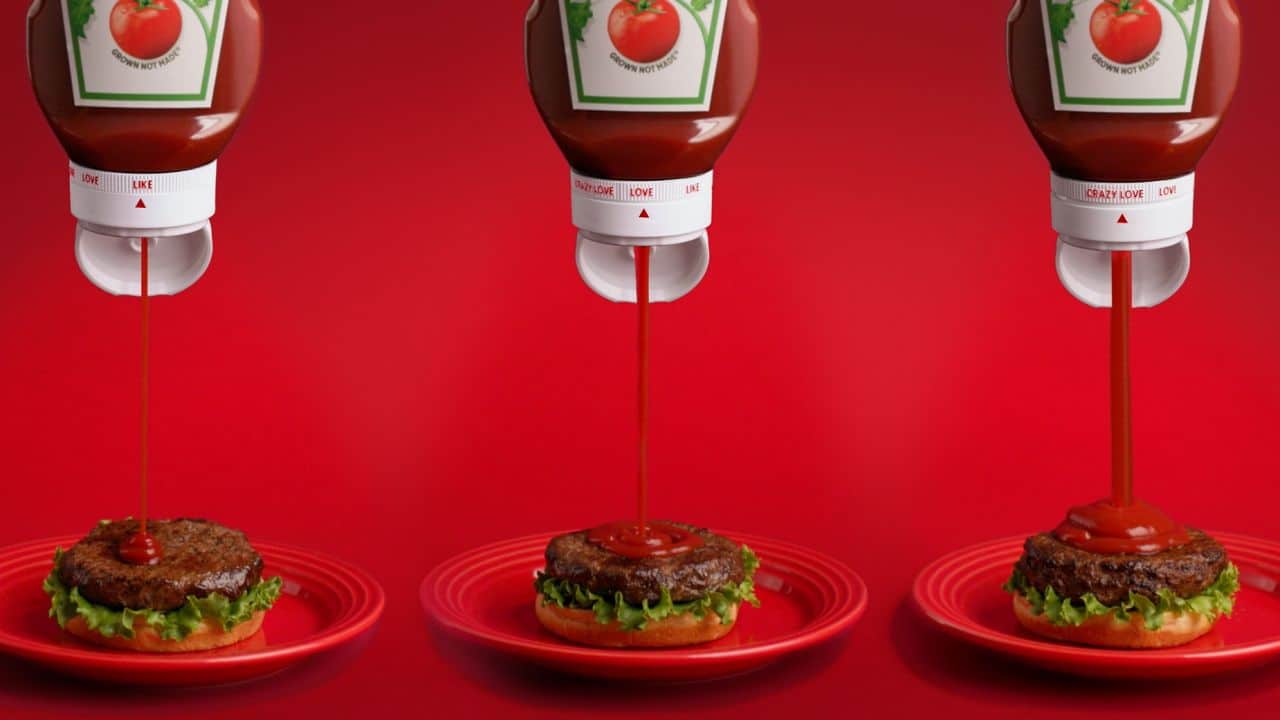
Recently, Kraft Heinz dropped their latest brand activation: the "Love Lid." It’s a custom-engineered ketchup bottle cap featuring three adjustable flow settings labeled Like, Love, and Crazy Love. The stated goal? To help consumers control their "perfect" portion of ketchup.
My immediate reaction? It’s a massive gimmick.
Ever since the invention of the inverted squeeze bottle, we’ve already had an infinite number of flow settings. It’s called squeezing the bottle harder.
Over-engineering a piece of plastic hardware to solve a friction point that doesn't exist feels like a step backward—especially when packaging sustainability, plastic reduction, and ESG commitments ought to be top of mind for major Consumer Packaged Goods (CPG) giants.
When I brought this question to my LinkedIn community, it sparked an intense, divided debate between agency creatives, brand strategists, and business leaders. The discussion raised a fundamental question every executive needs to ask about their own growth strategy:
Where is the line between a high-performing brand strategy and a useless marketing gimmick?
The Case for "Gimmick": The Danger of Manufactured Friction
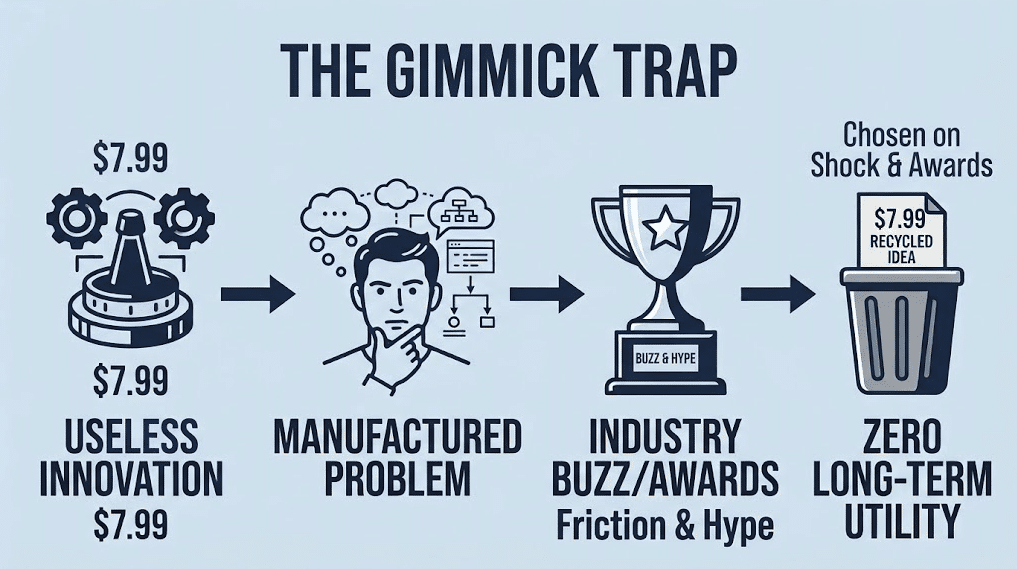
On one side of the debate, commentators like creative strategist Paul Suggett pointed out what many industry insiders suspect: "It’s a gimmick three years in the making... This was done to win Cannes."
Therein lies the core critique of modern marketing activations. When creative agencies optimize for industry awards rather than actual consumer utility or business operations, they risk manufacturing problems nobody actually has.
When you look at activations like the "Love Lid" through a operational lens, three red flags emerge:
-
Environmental & Supply Chain Friction: Adding mechanical complexity to single-use plastics directly conflicts with modern sustainability mandates.
-
Short-Term Spikes vs. Long-Term Value: Gimmicks create brief PR headlines, but they rarely alter consumer habits or build sustainable retention.
-
The "Award Bait" Mentality: When brand activity is built to impress panel judges at award festivals rather than solve real customer pain points, budget gets diverted away from core product improvements.
The Case for "Genius": Defending Market Share Against Private Labels
However, a deeper look into CPG market dynamics reveals a much sharper counter-argument.
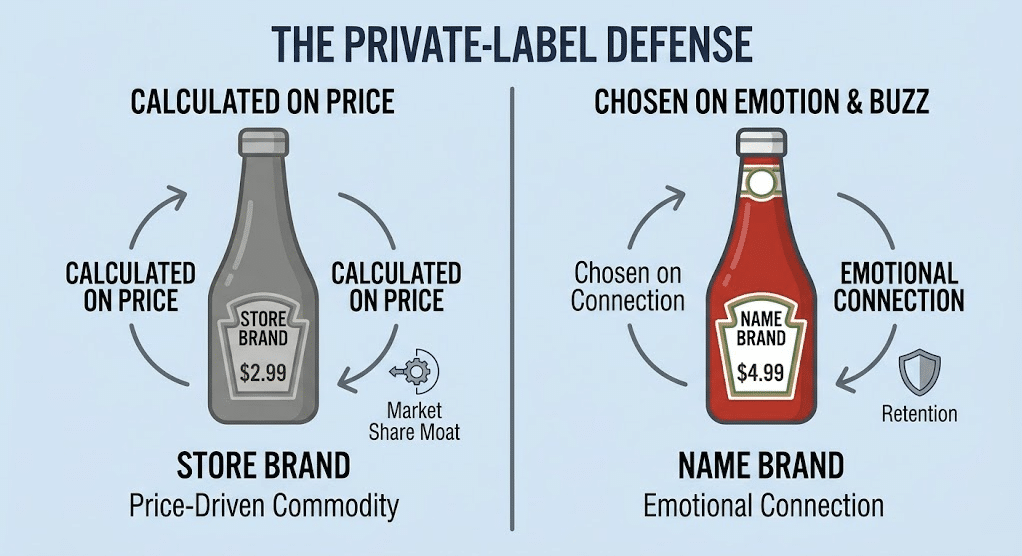
As brand strategist Brian Lee noted in the comments, you have to evaluate this campaign through the broader strategic context of what Heinz is up against. Heinz operates in a mature, "sleepy" grocery category that is under massive, aggressive pressure from private-label competitors (store brands like Kirkland or Great Value).
When inflation rises, consumers routinely swap name-brand commodities for cheaper generic alternatives. How does a legacy market leader defend its margins when the physical product inside the bottle is fundamentally similar to a store brand?
They make the brand un-ignorable.
Similar to how Liquid Death transformed plain water into a lifestyle powerhouse through radical branding, Heinz isn't trying to sell a lid mechanism. They are buying top-of-mind awareness.
By injecting playfulness and cultural conversation into a mundane grocery item, they remind the consumer why they buy Heinz over the generic bottle sitting right next to it on the shelf. In an attention economy, noisy activity can occasionally double as a tactical defensive moat.
How to Tell the Difference: The 3-Step Strategy Test
Whether you're running a global CPG enterprise or a growing regional business, it's easy to confuse loud activity with effective strategy.
Before approving your next marketing campaign, run it through this 3-step decision framework:
1. Does it reinforce core brand authority?
If an activation feels disconnected from what your business actually does, it's a distraction. Heinz can get away with a ketchup lid because condiment consumption is their entire identity. If a B2B firm builds a flash-in-the-pan meme campaign that has nothing to do with its service offerings, it dilutes credibility.
2. Are you solving real friction or creating noise?
True strategy removes friction from the buyer’s journey—speeding up sales cycles, clarifying value propositions, or streamlining customer onboarding. If your campaign requires customer re-education just to understand the joke, you're building unnecessary resistance.
3. What is the opportunity cost?
Every dollar and hour spent over-engineering a novelty feature is a dollar not spent optimizing your core conversion funnel, training your sales reps, or refining your product execution.
Bottom Line: The Goal Isn't More Activity. It's Better Decisions.
The Kraft Heinz "Love Lid" isn't inherently evil, nor is it purely foolish—it's a calculated gamble on cultural relevance to defend a market category. But for the vast majority of businesses, copying these hyper-capitalized brand stunts is a quick path to wasted budget.
Stop asking "How can we get people talking about us this week?"
Start asking "Where are we losing buyer momentum, and how can clear thinking fix it?"
Relying on gimmicks creates temporary noise. Aligning your strategy, operations, and buyer experience creates long-term revenue.